

Object-Oriented Programming

Overview

Build Better Programs
With Object Oriented Programming

ObjectOrientedProgramming.java
01 02 03 04 05 06 07 08 09 10 11 12 13 14 15

public class ObjectOrientedDeveloper {

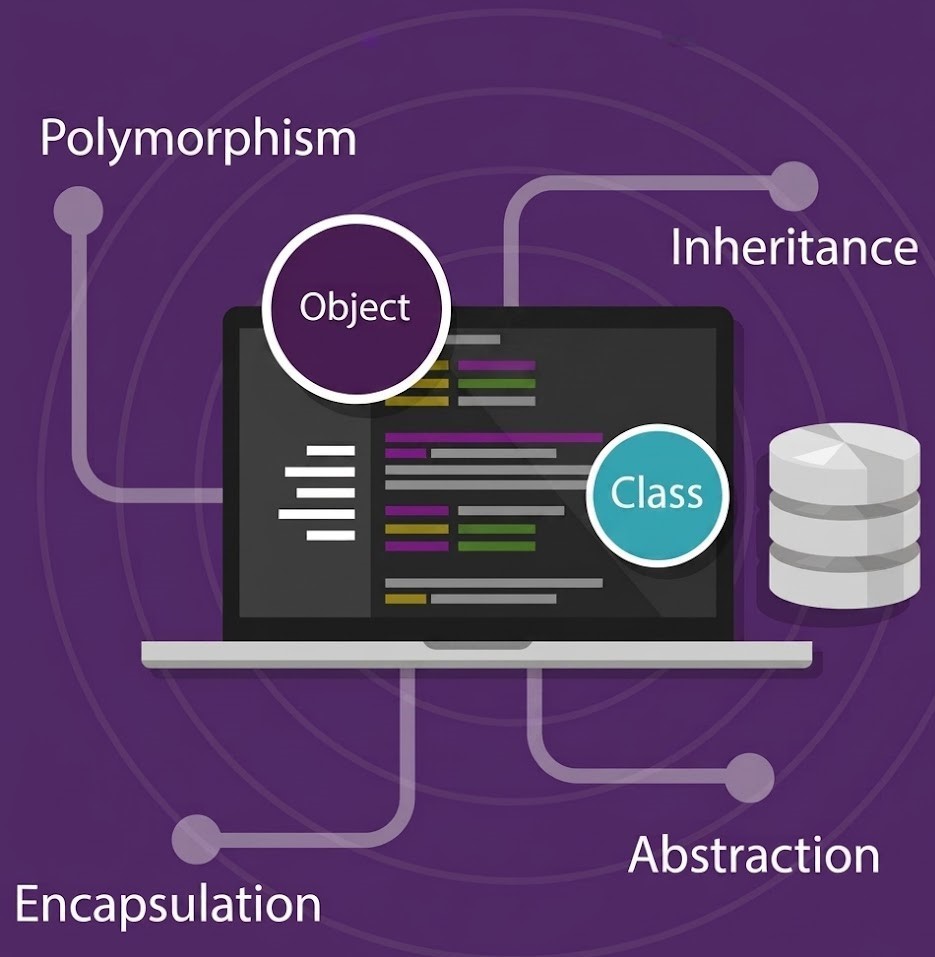
The Object-Oriented Programming Course at Java8 Training is designed to help learners understand the principles of designing programs around objects and reusable components. The course develops a clear understanding of how classes, objects, and relationships are used to structure Java applications. Through practical coding exercises and programming examples, learners explore object-oriented design techniques and understand how to create organized, maintainable, and reusable application code.

  • Classes, objects, constructors, methods, access modifiers, and object relationships
  • Encapsulation, inheritance, polymorphism, abstraction, interfaces, and reusable class design
  • Practical object-oriented design, code organization, reusable components, and problem-solving techniques

}

Object Oriented Programming Training
Why Us

Learn To Design Clean And Reusable Java Programs

01

Classes And Objects

Learn how classes and objects form the foundation of object-oriented programming while creating attributes, methods, constructors, and reusable objects for Java applications.

02

Inheritance And Polymorphism

Understand how inheritance enables code reuse and how polymorphism allows objects to behave differently through method overriding, overloading, and flexible program design.

03

Encapsulation And Abstraction

Build better structured programs by learning data protection, access control, abstract classes, and interfaces while separating implementation details from essential application behavior.

04

Practical Object Design

Apply OOP principles through practical programming tasks and real development examples while learning to organize classes, relationships, responsibilities, and reusable components effectively.

Course Benefits

Everything You Need to Build Better Object Oriented Programs

Object Oriented Programming Training
Classes And Objects
Understand how classes and objects work together while creating attributes, methods, constructors, and reusable components for Java applications.
Inheritance
Learn how inheritance creates relationships between classes, supports code reuse, and helps develop structured application components with shared behavior.
Polymorphism
Explore method overloading and overriding while understanding how polymorphism provides flexibility and allows objects to perform different behaviors.
Encapsulation
Learn how to protect object data using access modifiers, getters, setters, and controlled methods while creating secure and maintainable program structures.
Abstraction And Interfaces
Understand abstract classes and interfaces while learning how to define common behaviors and separate essential functionality from implementation details.
Practical OOP Design
Apply object-oriented principles through coding tasks and practical projects while designing reusable classes, relationships, and well-organized Java applications.
Object Oriented Programming Project Training
Service Plans

Choose the Right Plan to Master OOP Concepts

Object Based Programming
Understand classes, objects, constructors, methods, and object while learning how to structure programs.
Core OOP Principles
Master encapsulation, inheritance, polymorphism, abstraction, and interfaces through practical examples.
Practical Design Skills
Apply object-oriented concepts to real programming problems while developing reusable, organized, and maintainable Java code.
Object Oriented Programming Foundation Training

4,999

/ Course

OOP Foundation

  • Classes & Objects
  • Constructors & Methods
  • Access Modifiers
  • Encapsulation Fundamentals
  • Practical Coding Exercises
Advanced Object Oriented Programming Training

7,999

/ Course

OOP Professional

  • Complete OOP Concepts
  • Inheritance & Polymorphism
  • Abstraction & Interfaces
  • Advanced Class Relationships
  • Practical OOP Projects
FAQs

Questions About Object-Oriented Programming Training

  • What will I learn in the Object-Oriented Programming Course?
    Our Object-Oriented Programming Course teaches the fundamental principles used to design and organize software using objects and reusable components. You will learn classes, objects, constructors, methods, inheritance, polymorphism, abstraction, encapsulation, interfaces, and relationships between different objects. The training also focuses on applying these concepts to create structured and maintainable Java programs.

  • Is this Object-Oriented Programming course suitable for beginners?
    Yes, the course can be suitable for learners who have basic programming knowledge and want to understand object-oriented development more deeply. The training starts by explaining how classes and objects work before gradually introducing advanced OOP principles. Examples, coding exercises, and step-by-step explanations help learners build a clear understanding of object-oriented programming.
  • How does the course explain classes and objects?
    The training explains classes as blueprints for creating objects and demonstrates how objects contain properties and behaviors. You will practice defining classes, creating objects, using constructors, accessing fields, and calling methods. Practical programming examples help you understand how these building blocks are used to model real-world entities within Java applications.
  • Will I learn inheritance and polymorphism?
    Yes, inheritance and polymorphism are important parts of the training. You will learn how one class can inherit properties and behaviors from another class and how polymorphism allows objects to behave in different ways through common interfaces or parent references. Coding examples will help you understand method overriding, method overloading, and practical use cases.
  • What are the main OOP principles covered in the training?
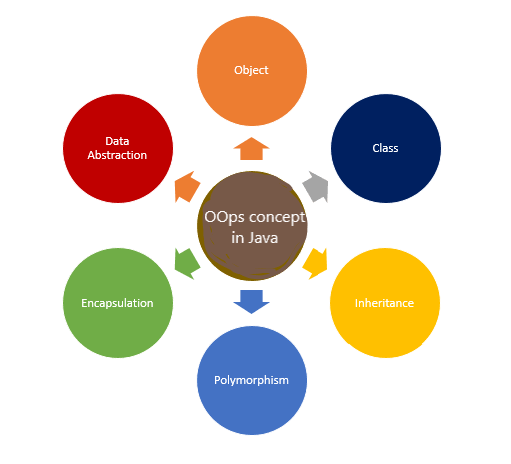
    The training focuses on the four major principles of object-oriented programming: encapsulation, inheritance, polymorphism, and abstraction. You will also work with interfaces, abstract classes, constructors, access modifiers, method overloading, method overriding, and object relationships to understand how these concepts contribute to better software design.
  • How can Object-Oriented Programming help in Java development?
    Object-Oriented Programming provides a structured way to design applications using reusable and manageable components. Strong OOP knowledge can help you write cleaner Java code, reduce duplication, organize larger applications, and understand commonly used Java frameworks more effectively. These concepts also provide a strong foundation for technical interviews and further learning in Java application development.